Video Tutorials and Subscriptions: How to Manage Recurring Charges
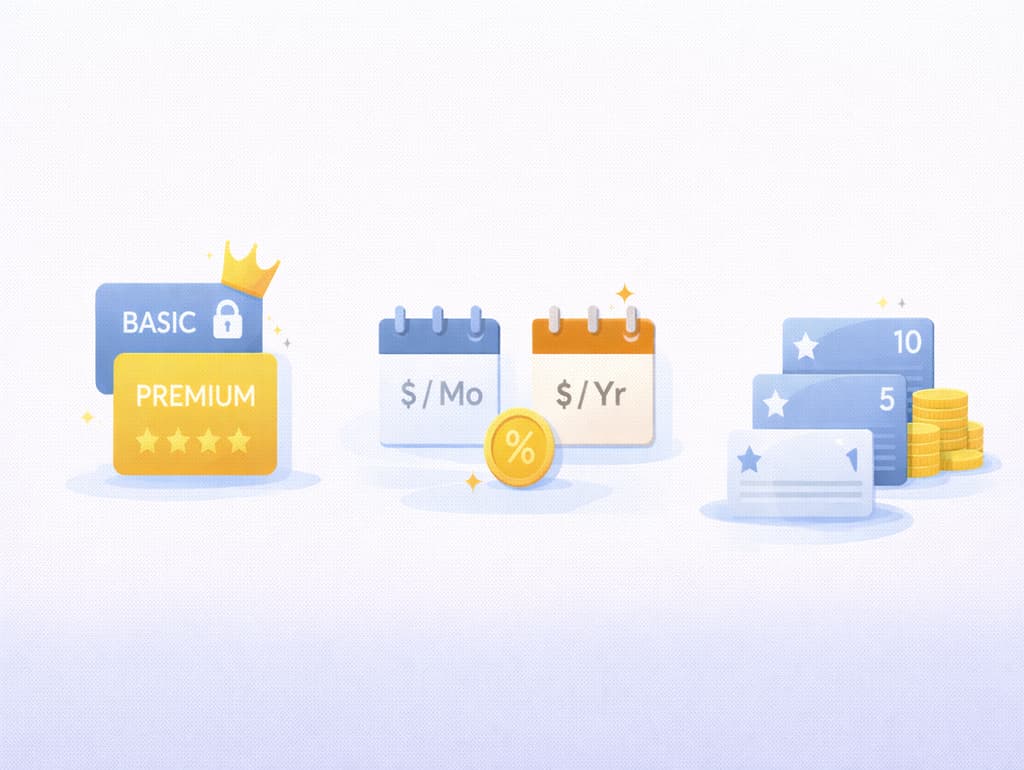
Video tutorial platforms now offer subscription-based access to countless educational resources. Modern payment methods have evolved alongside these platforms. Some services are available on Revolut casino deposit and other digital platforms, allowing users to create virtual cards for specific subscriptions. This makes it easier to control and cancel payments across various digital services when needed.
However, managing multiple recurring charges can become overwhelming. Many people struggle to keep track of their monthly commitments. The average person maintains seven active subscriptions. These recurring payments can quickly add up without proper oversight.
Understanding Video Tutorial Subscription Models
Most educational platforms use tiered subscription structures. Basic plans typically offer limited access to content libraries. Premium tiers unlock advanced features and comprehensive course catalogs.
Monthly subscriptions provide flexibility for short-term learners. Annual plans often offer significant savings for committed students. Some platforms use credit-based systems where users purchase learning credits upfront.
Understanding these models helps learners make informed decisions. It also prevents unexpected charges from automatic renewals.
Common Challenges with Recurring Charges
Forgotten subscriptions represent the biggest challenge for most users. People often sign up for free trials and forget to cancel before billing begins. These overlooked charges can accumulate substantial costs over time.
Price changes present another common issue. Platforms frequently increase subscription rates without prominent notifications. Users may discover higher charges only after reviewing bank statements.
Multiple platform subscriptions create complexity. Managing several educational services simultaneously requires careful organization and tracking systems.
Essential Tools for Subscription Management
Dedicated subscription tracking apps provide comprehensive oversight. These tools monitor all recurring charges and send renewal notifications. Popular options include Truebill, Bobby, and Subscriptions Tracker.
Banking apps offer built-in subscription management features. Many modern financial institutions provide automatic categorization for recurring payments.
Spreadsheet templates offer manual tracking alternatives. Users can create custom monitoring systems using Excel or Google Sheets. These solutions work well for people who prefer hands-on management approaches.
Setting Up Payment Alerts and Reminders
Calendar reminders help prevent surprise charges. Set alerts three days before each subscription renewal. This provides sufficient time to evaluate continued value and make cancellation decisions.
Bank notifications offer real-time charge alerts. Enable text or email notifications for all recurring transactions. These immediate alerts help identify unauthorized or forgotten charges quickly.
Email filters create organized subscription communication. Set up dedicated folders for subscription-related emails. This organization makes reviewing terms, changes, and renewal notices much easier.
Mobile app notifications provide additional backup systems. Most subscription services offer push notifications for upcoming renewals. Enable these features to create multiple reminder layers that prevent missed cancellation opportunities.
Evaluating Subscription Value and ROI
Regular usage audits determine subscription value. Track how often you access each platform each month. Services used less than twice per month may not justify their costs.
Cost-per-use calculations provide clear value metrics. Divide monthly subscription fees by actual usage sessions. This analysis reveals which subscriptions deliver genuine value.
Alternative options comparison ensures optimal choices. Research competing platforms periodically. New services may offer better features or pricing for your specific learning needs.
Consider seasonal learning patterns when evaluating subscriptions. Some educational content becomes more valuable during specific periods. Professional development platforms might offer higher value during career transition phases or skill-building seasons.
Cancellation Strategies and Best Practices
Advance planning prevents last-minute cancellation rushes. Review subscription calendars monthly to identify upcoming renewals. Make cancellation decisions at least one week before renewal dates.
Documentation protects against billing disputes. Screenshot cancellation confirmations and save email receipts. These records prove cancellation attempts if charges continue appearing.
Gradual reduction strategies help manage multiple subscriptions. Cancel one service monthly rather than eliminating everything simultaneously. This approach maintains learning continuity while reducing costs.

Trial period maximization requires careful timing. Start free trials only when you have time to properly evaluate services. Avoid beginning trials during busy periods when assessment becomes impossible.
Customer service communication often yields retention offers. Contact support before cancelling to discuss concerns. Many companies provide discounted rates or extended trials for hesitant customers.
Account downgrading presents middle-ground solutions. Consider switching to a lower-tier plan instead of canceling completely. Basic plans might meet your needs at reduced costs.
Conclusion
Managing video tutorial subscriptions effectively requires systematic approaches and consistent monitoring. These strategies help maintain educational access while controlling recurring expenses. Regular evaluation ensures subscription portfolios remain aligned with learning goals and financial constraints.
Nowadays, VFX artists use a variety of programs to create high-quality images that are difficult to distinguish from reality. For 3D modeling, animation and rendering – Maya, 3ds Max (wider range of modeling tools), Blender (free), ZBrush. For video post-processing – Adobe After Effects, Final Cut Pro and Nuke.

If you look at it, PC games are all VFX. But in the last couple of years, game technology has begun to actively penetrate the visual effects industry for film and television. Modern game engines, VR and tools built on these technologies allow to reproduce fairly realistic graphics in real time right during filming, thereby greatly simplifying filming and reducing the time for the production of final graphics. This process is called Virtual Production. And we also teach some of these aspects on our program.
Call Us at:
+13195366186
Email Us at:
halvorson.nicklaus@kreiger.com